
Eye Exam vs Vision Test: What Is the Difference and Why Does It Matter?
Curious about eye exam and vision test? Understand more about visual acuity and how to book an eye exam near you.
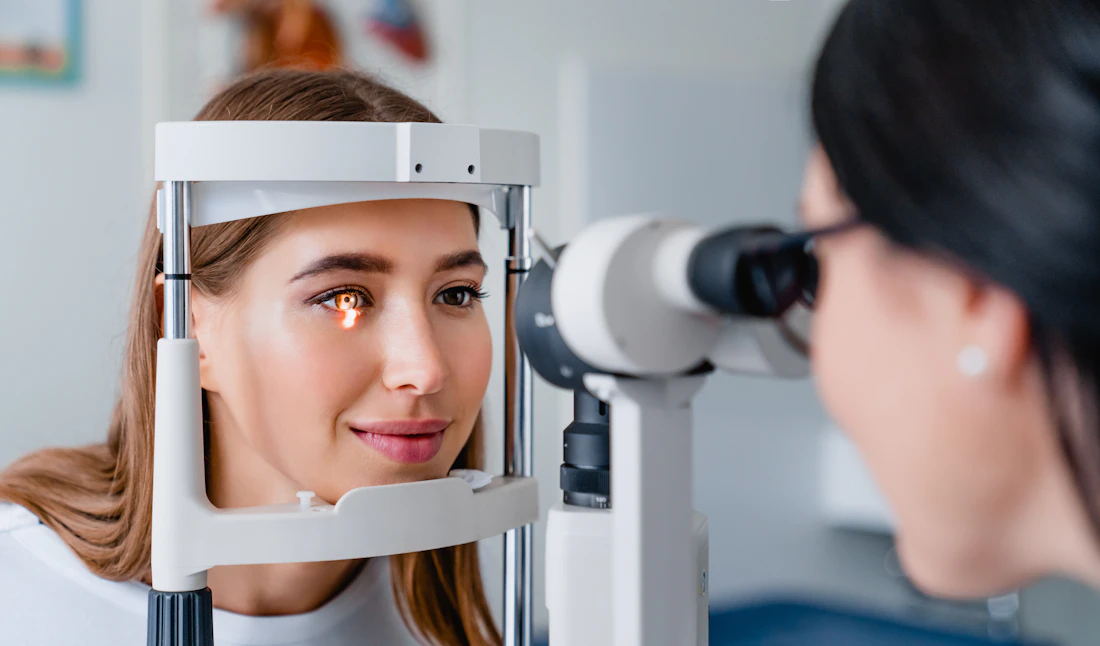
Understanding the difference between a vision test and a comprehensive eye exam is an important step in protecting your long-term eye health. A vision test can flag basic changes in how clearly you see, but it does not assess the full health of your eyes or detect eye conditions that may develop without noticeable symptoms. Knowing when a screening is not enough helps you seek professional care, catch potential problems early, and make informed choices to support clear, comfortable vision over time.
A vision test is a quick assessment that measures how clearly you can see, typically at a distance. It often uses eye charts or automated devices to identify whether corrective lenses may be needed. As a simple screening tool, it can help detect potential vision concerns that may warrant further evaluation.
These tests provide a snapshot of visual acuity but do not assess the overall health of your eyes. Vision screenings are commonly offered in schools, workplaces, and community settings (may vary in different countries), making them a convenient first step in identifying possible vision issues.
However, a vision test cannot diagnose eye diseases or evaluate the internal or external structures of the eye. While it may indicate the need for glasses or contact lenses, it does not replace a comprehensive eye exam.

A comprehensive eye exam is a detailed evaluation performed by an eye care professional to assess both the quality of your vision and the overall health of your eyes. Unlike a basic vision screening, it examines multiple aspects of your visual system, helping to identify concerns that may not be immediately noticeable.
During the exam, a series of tests may be used to detect refractive errors, evaluate how your eyes work together, and assess the health of important eye structures, including the retina and optic nerve. These assessments can also reveal early signs of certain health conditions that may affect the eyes.
Because every individual has unique visual needs, a comprehensive eye exam is tailored to factors such as age, lifestyle, medical history, and existing vision concerns. Whether you are addressing a current issue or supporting long-term eye health, regular comprehensive exams provide the information needed to maintain clear, comfortable vision with confidence.
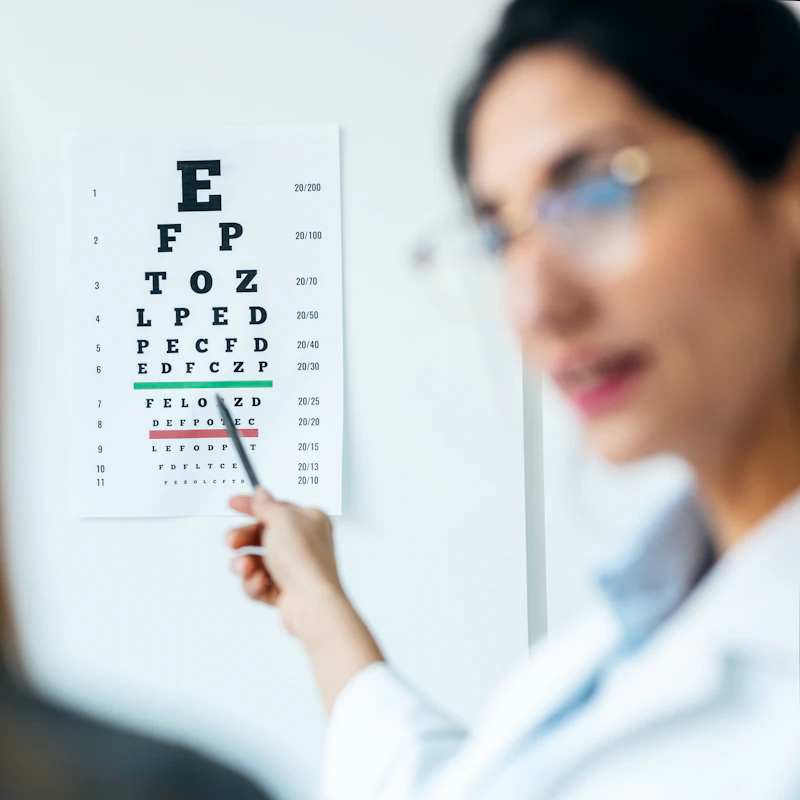

Eye Exam vs Vision Test: Key Differences
The fundamental difference between an eye exam and a vision test lies in the depth of the assessment and the credentials of the person performing it. Attempting to understanding visual acuity and how it fits into your broader ocular health can only be achieved through an eye exam. The following breakdown illustrates exactly why the scope of these activities differs so significantly in practice.
Vision Test | Comprehensive Eye Exam | |
Primary Focus | Basic distance acuity | Overall health & refractive status |
Diagnostic Scope | Very limited | Extensive & medically detailed |
Performed By | Often non-specialists | Trained eye care professional |
Outcome | Potential warning flag | Clinical diagnosis & prescription |
Selecting the right path depends entirely on what you wish to achieve. If you are simply curious about your basic sight, a quick test might suffice, but for genuine assurance regarding your health, the comprehensive exam is the only reliable path.
Getting To Know Your Eyes Better ensures you do not mistake a simple distance measure for a total assessment of your ocular condition.
What Happens During an Eye Exam?
Review of Medical and Vision History
Your eye care professional will begin by discussing your lifestyle, visual needs, and any symptoms you may have noticed. This helps build a complete picture of how your vision supports your daily activities.
Visual Acuity Testing
This test measures how clearly you can see at a standard distance. It helps determine whether your vision meets expected levels or if corrective lenses may be beneficial.
Eye Movement and Coordination Tests
These assessments evaluate how well your eyes work together to track objects and maintain focus. Good coordination is essential for comfortable, efficient vision.
Peripheral Vision Testing
Peripheral vision tests assess your side vision, which plays an important role in everyday awareness, mobility, and safety.
Eye Pressure Measurement
Measuring the pressure inside the eye helps identify early signs of conditions such as glaucoma. The procedure is quick, comfortable, and an important part of preventive eye care.
Examination of Eye Structures
Using specialised instruments, your eye care professional examines the front of the eye, including the cornea, eyelids, and surrounding tissues, to check for signs of irritation, damage, or other concerns.
Retinal Evaluation
The final stage involves examining the retina and optic nerve at the back of the eye. This assessment provides valuable information about eye health and can help identify conditions that may affect vision over time.
Regular eye exams are an essential part of maintaining long-term eye health. Routine examinations help detect potential issues early, allowing your eye care professional to monitor your vision and recommend appropriate care when needed.
Ultimately, eye exams help you enjoy clear, comfortable vision throughout every stage of life. By keeping your prescription current and addressing concerns early, you can support your visual wellbeing with confidence and benefit from the most appropriate solutions for your needs.
Common Eye Conditions That May Be Identified During an Eye Exam
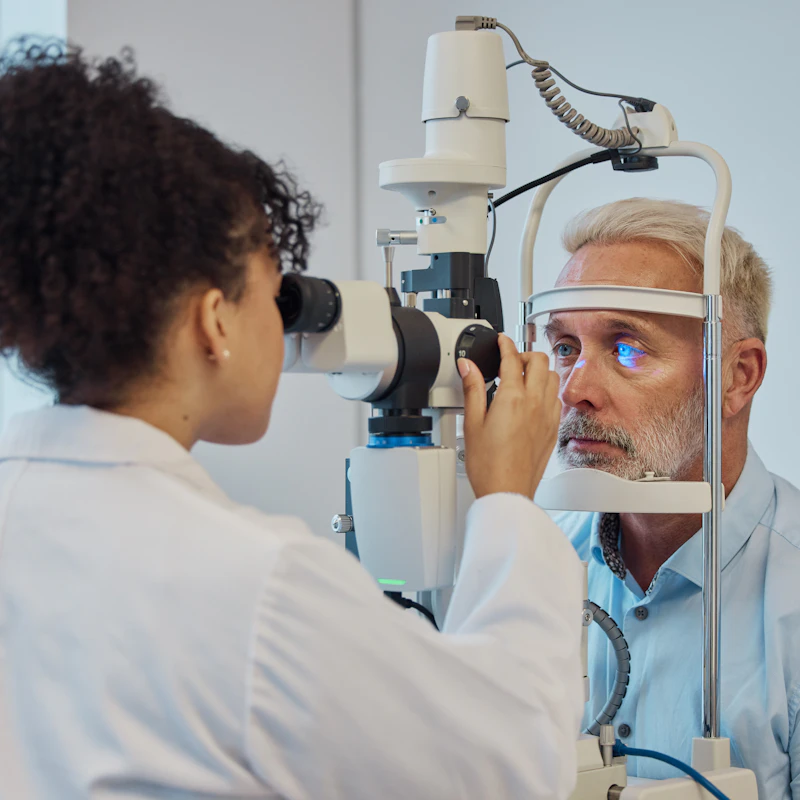
During an eye exam, your eye care professional may check for a range of conditions, including:
- Ocular Hypertension
- Glaucoma
- Cataracts
- Macular Degeneration
- Diabetic Retinopathy
Many eye conditions can develop gradually and show few noticeable symptoms in their early stages. Regular eye exams help detect these changes early, when treatment and management options are often most effective. This proactive approach plays an important role in preserving both vision and long-term eye health.
If a condition is identified, your eye care professional can recommend an appropriate management plan, which may include updated eyewear, ongoing monitoring, or referral for further treatment. Beyond evaluating how clearly you see, an eye exam provides valuable reassurance that your eyes are receiving the attention and care they need.
Common Vision Problems an Eye Exam Can Detect
An eye exam can identify a wide range of refractive errors that affect how clearly you see. The most common are myopia (short-sightedness) and hyperopia (long-sightedness), which occur when light does not focus correctly on the retina. Through a refraction assessment, your eye care professional can determine the prescription needed to provide clear, comfortable vision.
In some cases, uneven focusing or other visual irregularities can contribute to eyestrain and visual fatigue. An eye exam allows your eye care professional to evaluate not only your prescription, but also the overall health and function of your eyes and visual system. This level of assessment provides a far more complete understanding of your vision than basic screening tests alone.
Regular eye exams are important for maintaining clear vision and detecting eye conditions early, often before symptoms appear.
- Adults aged 18 to 64: Most people should have a comprehensive eye exam every 1 to 2 years.
- Adults aged 65 and over: An eye exam is generally recommended once a year.
- Children: Regular eye examinations are generally recommended every 1–2 years for children too, unless advised otherwise by an eye care professional.
- People with specific risk factors: If you have diabetes, a family history of eye disease, wear contact lenses, or have existing vision problems, your eye care professional may recommend more frequent exams.
Even if your vision seems fine, routine eye exams can help detect conditions such as glaucoma, cataracts, and age-related macular degeneration at an early stage.
Signs It May Be Time to Book an Eye Exam
One of the clearest signs that it is time to schedule an eye exam is persistent eye strain. Regular squinting, headaches after reading, or discomfort after prolonged screen use may suggest that your eyes are working harder than they should to maintain clear vision.
You may also notice changes in your everyday vision. Difficulty recogniszing faces at a distance, holding reading materials unusually close or far away, or experiencing blurred vision can indicate that your prescription is no longer providing optimal correction. Ignoring these symptoms may lead to unnecessary fatigue and reduced visual comfort.
Increased sensitivity to light or difficulty recovering from glare while driving can also be signs that an eye exam is needed. Addressing changes early can help maintain comfortable, reliable vision and support long-term eye health.
It is equally important to pay attention to sudden changes such as floating spots, flashes of light, or dark shadows in your vision, as these require prompt professional attention.
Conclusion
Maintaining the long-term health of your vision is a proactive journey that relies on regular, professional care rather than simple screenings. By distinguishing the depth of a comprehensive exam from the limited scope of a vision test, you empower yourself to make better decisions for your long-term well-being and visual performance. Remember that a professional eye exam does more than just check vision by reading letters; it explores the intricate health of your eyes, providing the insights necessary to ensure comfort and clarity at every distance.
Frequently Asked Questions
No, they have different processes. A screening is a quick, basic assessment that checks for general vision acuity, while a comprehensive eye exam involves a clinical check of your eye health, eye movement, and retinal condition performed by a specialist.
Even if your vision seems clear, eye fatigue can develop when the eye muscles involved in focusing are working hard to maintain focus during intensive near-distance tasks This phenomenon is very common and a professional exam can help determine if corrective lenses might alleviate that strain.
Yes, an eye examination can be very useful in supporting the diagnosis of wider, general health problems. An optometrist uses specialist equipment to look at the structures of the back of the eye including the retina and its blood vessels and the optic nerve; changes seen here can sometimes indicate underlying health conditions, even before symptoms are noticeable.
A comprehensive eye examination typically lasts between 30 and 60 minutes, depending on the tests required and the combination of your lifestyle and visual needs.
No. Wearing spectacle lenses does not make your vision worse or better. Spectacles simply help focus light correctly onto your retina so you can see more clearly. Your prescription may change over time, but this is usually due to natural changes in your eyes, not because you wear spectacles.
Yes. School screenings only identify basic vision issues and may not detect subtle refractive errors or binocular vision problems. A comprehensive eye examination can help ensure your child's vision is developing properly for learning and daily activities.
Eye exam recommendations vary by country. For example, in the United States, the American Optometric Association recommends eye examinations at 6 months, 3 to 5 years, and annually during school years.
Your Eyecare Practitioner can advise on the most appropriate schedule based on local guidelines and your child's needs.
Bring your current pair of spectacles, sunglasses, any additional pairs of task specific spectacles, any contact lens details, and a list of existing health symptoms or questions which will support the practitioner in providing the most tailored assessment possible. It is also good to have a record of any previous visual history if you are visiting a new specialist.